Key takeaways
- The bench is the manager's list of tested vendors: one per trade a rental needs, plus a backup for the trades that get overloaded in a heat wave or a freeze.
- Each vendor has a file: a W-9, a certificate of insurance with its expiry date, a license number where the trade is licensed, and a rate sheet agreed in advance.
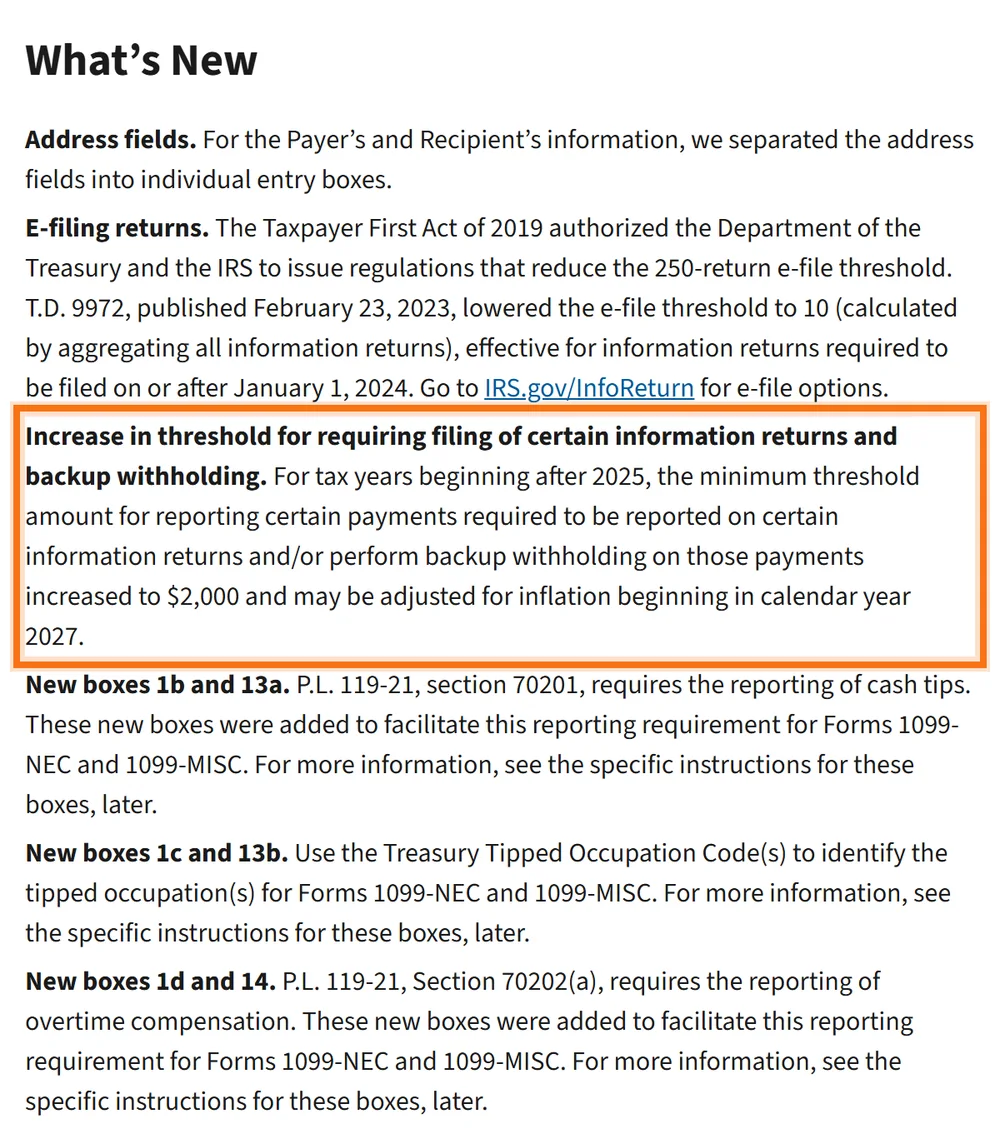
- IRS instructions say a Form 1099-NEC is filed for at least $2,000 paid for services in the course of a trade or business, for tax years beginning after 2025. Who files for your vendors belongs in the management agreement and with your CPA.
- Callbacks (a second visit for the same problem) and response times are what keep a vendor on the bench, more than price.
How do property managers handle vendors? Through a vendor bench: a short list of tested plumbers, electricians, HVAC technicians and general trades, with a backup for each busy trade, a paper file on each one, and a record of how often they come back to redo a job. On rentals in Fort Worth, Keller and North Richland Hills, that list decides how fast a leak is fixed and whether it stays fixed.
This guide covers how a bench is built and kept: trade coverage, insurance certificates, W-9s and Form 1099-NEC, callbacks and response times, when a vendor is dropped, and your own vendor.
What a manager keeps on file for every vendor
Procurement on a rental is mostly paperwork done once and kept current. Here is what a well-kept vendor file holds, why each item matters to you as the owner, and when it needs refreshing:
| Item in the vendor file | Why it matters to the owner | When it is refreshed |
|---|---|---|
| Form W-9 (name, tax ID, entity type) | Needed by whoever must file an information return for the vendor's payments; the entity type matters because payments to a corporation are generally not reported on Form 1099-NEC | At setup, and when the vendor changes its business name or entity |
| Certificate of insurance | Shows the vendor's own liability coverage, the insurer and the policy period | Before the expiry date printed on it; a lapsed certificate means no new jobs |
| License number, for licensed trades | Plumbing, electrical and air conditioning work are licensed trades in Texas | Checked on the state's license search before the first job and when it is due to renew |
| Rate sheet | Trip charge, hourly rate, after-hours rate, and how parts are billed, agreed before the first work order | Once a year, or when the vendor raises prices |
| Service area and hours | A vendor based across town may be slow to reach your street | At setup, and whenever response times slip |
| Job record | Response time, completion date and callbacks for every job the vendor did | After every job |
How to read this table: the top three rows are about whether a vendor may work on your house at all; the bottom three are about whether the vendor should. A manager who can show you this file for its plumber today keeps a real bench.
Trade coverage: who is on the bench, and who backs them up
A bench starts with the trades a single-family rental actually calls: plumbing (leaks, water heaters, drains), HVAC, electrical, appliance repair, a general handyman for doors, locks and drywall, roofing, and the turnover trades (cleaning, painting, flooring, yard). Pest control and garage doors come up often enough to belong on the list too.
Coverage is not one name per trade. The trades that fail together need a backup. When the first hot week of summer arrives, air conditioning companies across Tarrant County fill up at once; when a hard freeze hits, plumbers do. A manager with one HVAC company on the list waits in that company's queue. A manager with two calls the second one.
A new vendor usually earns a place on small jobs first: a running toilet, a dead outlet. Those show whether the vendor answers, arrives in the window, cleans up and sends a clear invoice. Bigger jobs follow from that record. Whether an in-house crew or outside vendors do the work is a separate choice, covered in in-house maintenance staff vs outside contractors.
Insurance certificates, and the expiry date nobody tracks
Every vendor on the bench should have a current certificate of insurance on file. The certificate names the insurer, the policy period and the coverage types. The date that matters most is the one most people never look at again: the expiry date. A certificate collected at setup and never refreshed proves only that the vendor was insured once.
So the expiry date goes on a calendar. A few weeks before it, the manager asks the vendor for the renewed certificate. No renewed certificate, no new work orders until it arrives.
Workers' compensation needs a specific question rather than an assumption. Under Texas Labor Code 406.002(a), most private employers may elect whether to obtain workers' compensation coverage, so a vendor's crew may or may not be covered. The certificate shows whether it is, and you can decide with your own insurance agent what you require. How licenses are checked on the state's search pages is in how a property manager checks whether contractors are licensed and insured. This is general information, not insurance advice.
W-9s and the Form 1099-NEC question
The IRS describes Form W-9 as the form a person uses to give their correct taxpayer identification number to the person who is required to file an information return. On a vendor bench, that means a W-9 is collected before the first payment, not in January.
The instructions for Forms 1099-MISC and 1099-NEC, read on irs.gov on November 13, 2026, set the rules a bench has to follow:
- Form 1099-NEC is filed for each person to whom at least $2,000 was paid in the course of your business during the year for services by someone who is not your employee, including parts and materials.
- For tax years beginning after 2025, the minimum threshold for certain information returns and backup withholding increased to $2,000 and may be adjusted for inflation beginning in calendar year 2027.
- The forms are filed only for payments made in the course of a trade or business; personal payments are not reportable.
- Payments to a corporation, including an LLC treated as a C or S corporation, are generally not reported on Form 1099-NEC, with exceptions such as legal services.
- Under "Payments made on behalf of another person," the payor for information reporting can be the one who makes a payment for someone else and performs management or oversight functions in connection with it.
Whether your rental counts as a trade or business for this purpose, and whether you or your manager is the one who files for a given vendor, are questions for your CPA, and the management agreement should say who collects W-9s and who files. This is general information, not tax advice.
Callbacks and response times: the numbers that keep a vendor on the bench
Price gets a vendor onto a bench. Callbacks and response times keep it there. A callback is a second trip for the same problem: the drain that clogs again in a week, the AC that stops cooling two days after the repair. Each one costs you a second visit, a tenant who has lost a few more days, and sometimes a second trip charge. What a run of callbacks on one house tells you is covered in how to track repeat repairs on a rental property.
A manager can track four numbers per vendor from the work orders alone:
- Time to first contact: how long after dispatch the vendor reaches the tenant to schedule.
- Time on site: from dispatch to arrival, especially on urgent calls.
- Time to done: from dispatch to the tenant confirming the work is finished.
- Callback count: jobs that needed a return visit for the same problem.
The work order history answers a question owners with several rentals ask, how to keep vendor pricing fair across a portfolio: compare one vendor's rate sheet and callback record against another's over many jobs, not one invoice at a time. Whether a vendor's bill carries anything extra on top is a different question, covered in do property managers add a markup to repair bills.
When a vendor gets dropped
A bench only stays good if vendors can fall off it. The usual reasons are plain:
- Paperwork lapses: an expired insurance certificate or a license that was not renewed. Work stops until it is fixed.
- Repeated callbacks: the same kind of job coming back more than once.
- Missed windows: a vendor who does not show up when the tenant took time off to let them in.
- Tenant complaints: rudeness, a mess left behind, a vendor who asks the tenant for payment or tries to sell extra work directly.
- Invoices that do not match the work order: charges for work nobody approved.
Dropping is usually gradual: fewer jobs, then none, while the backup takes over. One event can be enough when it involves safety or honesty. Either way, the reason goes in the vendor's record.
Your own vendor on a managed rental
Many owners have a plumber or handyman they trust and want to keep using. Many managers allow it within limits, and the limits are the same file as for any other vendor: insurance on file, a license where the trade requires one, a W-9, and willingness to work through the manager's work orders so the job is dispatched, recorded and invoiced in one place.

Agree two things up front: if your vendor does not answer a night emergency, the manager may send its own; and if your vendor's work keeps coming back, the manager tells you, with the job record behind it. For large jobs, the way to compare your vendor's price against another is in can I ask for a second quote before a major repair.
Questions that show whether a manager has a real bench
Ask these before you sign. A manager with a real bench answers from records, not from memory.
- How many vendors do you have for HVAC and for plumbing, and who is the backup when the first one is booked?
- May I see the current insurance certificate for your plumber, and when does it expire?
- Who collects W-9s from vendors who work on my house, and who files any Form 1099-NEC?
- How do you track callbacks, and when did you last drop a vendor, and why?
- Can my own vendor work on the house, and what do you need from them?
Three related questions have their own guides: what a manager may approve without you (can a property manager approve expensive repairs without my permission), what you should receive after a job (repair invoices and photos), and how markups work in general (maintenance markups explained).
How Perpetual handles vendors
Perpetual Property Management is broker-owned, with our office at 5755 Rufe Snow Dr in North Richland Hills, and we manage homes in Keller, North Richland Hills, Fort Worth and nearby. What our site states about vendors:
- Who does the work. Plumbers, electricians, HVAC and general trades we work with repeatedly, accountable for their work (maintenance coordination).
- Your own vendor. Usually yes, if they are insured and reliable; we coordinate with your preferred vendors where it makes sense and tell you honestly if one is causing problems.
- Spending. Routine repairs under your pre-approved limit get fixed fast; anything larger comes to you with a description, photos and a recommendation.
- The paper trail. Maintenance coordination is a percentage of the vendor's invoice (5% on Full Service, 4.9% on Standard, 3% to 5% for make-ready on the Investor Special), and the original invoice is always in your portal. Every completed repair over $500 gets photo or video proof, and if a fee is not in your agreement, you do not pay it (pricing).
Which vendors we use, what insurance we ask them for, and who collects W-9s and files any Form 1099-NEC for your vendors are confirmed in writing before you sign. To talk through the vendors on your house, call 682-593-7033.
The takeaway: A manager's vendor handling is only as good as its bench: one tested vendor per trade, a backup for the busy ones, a current file on each, and a callback record that decides who gets the next job.
Questions owners ask
Do property managers mark up repairs?
Some do, by adding a percentage or a coordination fee to vendor invoices, and some use in-house crews. Ask whether anything is added to invoices, and whether you receive the vendor's original invoice. The answer belongs in the management agreement. Our guide on whether property managers add a markup to repair bills shows how to check your own statements.
Can I use my own contractor with a property manager?
Usually yes, if the contractor is insured, licensed where the trade requires it, gives a W-9 and works through the manager's work orders. Agree up front who calls your vendor, and that the manager may send its own vendor if yours does not answer in an emergency.
What is a typical repair approval limit in a property management agreement?
There is no standard number. The agreement sets a dollar amount below which the manager can authorize routine repairs, and you choose it with your rent, the age of the house and your reserve in mind. True emergencies that stop active damage are handled outside the limit, with notice to you right away.
Can a property manager approve expensive repairs without my permission?
Only within the limit your management agreement sets, plus true emergencies that stop active damage, which are reported to you right away. Anything larger should come to you with a description, photos and a recommendation before work starts. The full answer is in our guide on approving expensive repairs.
Do property managers use in-house maintenance staff or outside contractors?
Both models exist. Some managers send outside vendors for every job, some have their own maintenance staff, and some mix the two. Ask which one does the work on your house, how each is billed, and whether the manager owns any vendor on its list.
How does a property manager check whether contractors are licensed and insured?
By keeping a vendor file: a certificate of insurance with its expiry date on a calendar, and for licensed trades such as plumbing, electrical and air conditioning, the license number checked on the state's license search before the first job. Our guide on checking whether contractors are licensed and insured walks through the search pages.
Can I ask for a second quote before a major repair?
Yes. For a large job you can ask for a second written quote, compared on the same scope, materials, permit and warranty. A vendor bench with a backup in each trade makes a second quote quicker to get. Our guide on asking for a second quote covers when the delay is worth it.
Who sends the Form 1099-NEC to a vendor who repaired my rental?
The IRS instructions say Form 1099-NEC is filed for at least $2,000 paid for non-employee services in the course of a trade or business, for tax years beginning after 2025, and that someone who pays on another person's behalf while performing management or oversight functions can be the payor. Whether that is you or your manager depends on the facts: ask your CPA, and write it into the management agreement.
Related services
Property management in Keller, North Richland Hills and Fort Worth. How full-service management works in Tarrant County →