Key takeaways
- Start with the house: hard floors, a fenced yard and a latching gate make a yes easier; wall-to-wall carpet calls for tighter limits.
- The HOA rules and your landlord insurance policy can restrict pets, and the lease cannot override either: check both first.
- A refundable pet deposit is a security deposit under Property Code 92.102, so it is refunded or itemized within 30 days of surrender (92.103, 92.104).
- Illustrative: at $25 a month pet rent plus a $350 one-time fee, one pet on a 12-month lease brings $650 in the first year.
- Under our published criteria, pets are at the owner's discretion: the decision is yours, house by house.
Should you allow pets to attract more tenants? For many single-family rentals in Fort Worth, Keller and North Richland Hills, yes, with written limits. A pet-friendly listing reaches applicants a no-pets listing loses, and pet rent can offset added wear. Whether it works for you depends on four things: the house itself, the HOA, your landlord insurance and the limits you set on number and type. Under our published rental criteria, the choice is the owner's.
This guide is the decision itself: how to judge your house, which limits work, what pet rent and a pet deposit add up to, and what Texas deposit law says. The lease mechanics of pet deposits and addenda are in pets in your rental in Texas.
The pet decision for your house, factor by factor
Before you write a pet policy, run your house through these six factors; each one points toward a yes, a yes with limits, or a no:
| Factor | Points to yes | Points to limits or no | Where to check |
|---|---|---|---|
| Flooring | Tile, vinyl plank, sealed hard surfaces | Wall-to-wall carpet in living areas | Walk the house |
| Yard and fence | Fully fenced yard, latching gate | No fence, broken gate, shared yard | Walk the yard |
| HOA rules | No pet limits beyond leash and waste rules | Limits on number, size or type | Your HOA's restrictions and rules |
| Landlord insurance | Policy covers animal liability without exclusions that matter | Exclusions you cannot match in the lease | Your insurance agent |
| Furnishings | Unfurnished house | Furnished, with items you cannot replace | Your own plan |
| Your time horizon | Holding the house for years | Selling soon after this lease | Your own plan |
How to read this table: one strong "limits or no" factor (an HOA cap or an insurance exclusion) sets the rule for you, because the lease cannot override it. If every factor points to yes, the question is no longer whether to allow pets, but how many and which kinds.
What a pet-friendly listing can buy you, and what it costs
A yes can do three things, and you can measure each on your own listing instead of trusting a statistic:
- More inquiries. Renters with a dog or cat filter listings by that one word, so a no-pets listing never reaches them.
- A shorter vacancy. More qualified inquiries in the same weeks can mean the right applicant arrives sooner.
- Pet rent. A monthly charge per approved pet, set in the lease.
Against that sit two costs: a higher chance of wear beyond normal at move-out, mostly floors, doors, trim and yard, and the chance of a liability claim involving an animal. Limits, a pet deposit and a dated move-in record manage both; none of them removes the risk entirely.
Vacancy is the number to weigh. Our marketing page puts it this way: at $2,000 a month, every week of avoidable vacancy costs about $460 of rent not received. If a yes shortens the vacancy by even a week, it has already earned more than a year of pet rent on one animal.
Whether your house suits pets
Some houses are better pet houses than others, and the answer should start there.
- Flooring. Tile, vinyl plank and sealed hard surfaces handle pets well. Wall-to-wall carpet is where odor and stains stay. A carpeted house can still allow a cat or a small dog with a deposit and a tighter limit.
- Yard and fence. A fenced yard is the biggest draw for dog owners, and a gate that latches matters as much as the fence.
- Doors, trim and blinds. Hollow-core doors and soft trim scratch. That is not a reason to say no, but a reason to photograph them at move-in.
- HOA rules. Some associations limit number, size or type, and the lease cannot override them. Check before listing.
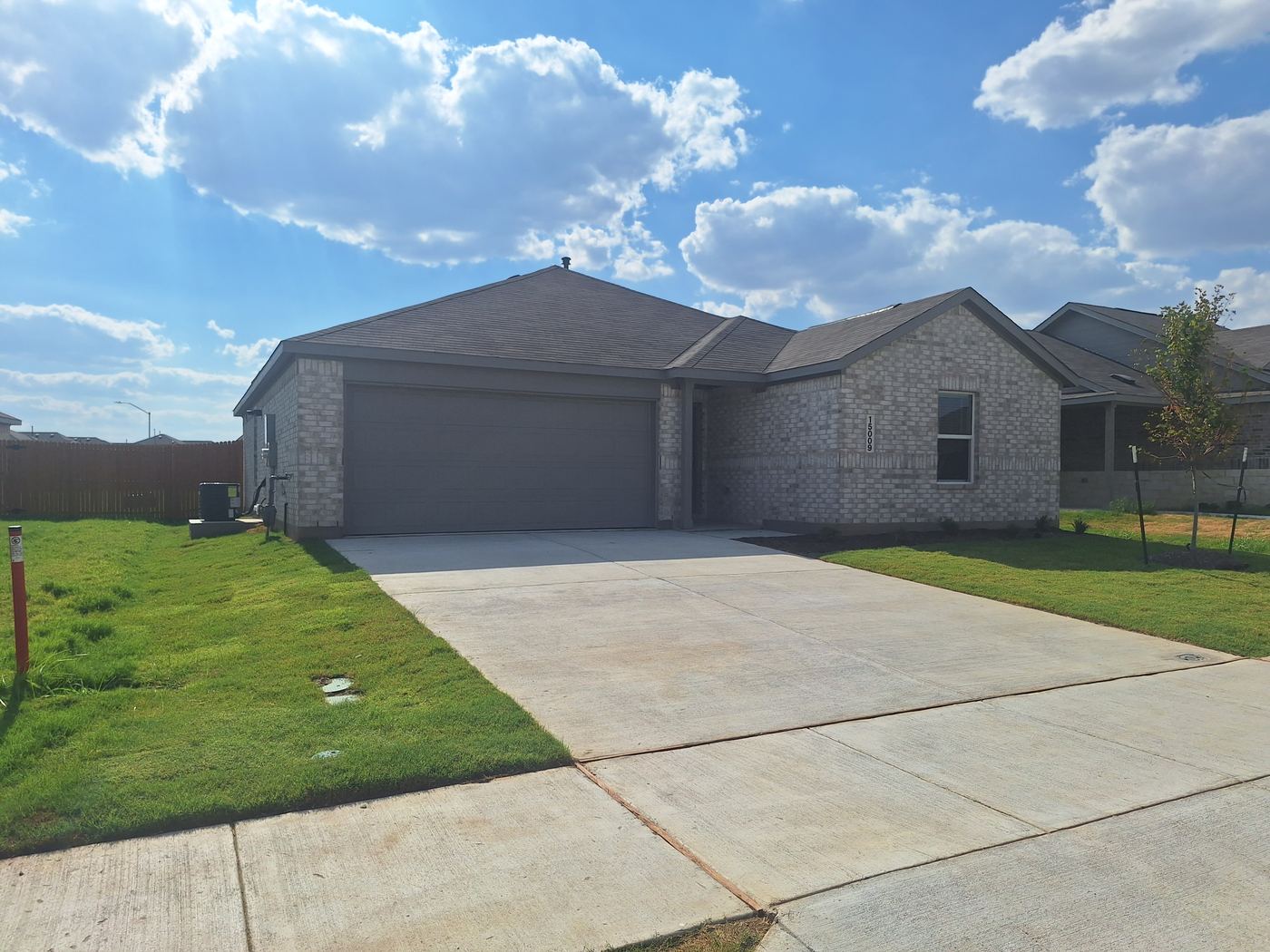
A fenced yard and hard floors throughout make a strong pet house. A carpeted townhome with a shared patio is a cats-and-small-dogs house. Both can say yes, differently. A free rental analysis is a good moment to ask what the policy should be for your house.
Which pets, how many: limits that work
A workable policy is specific. Many owners settle on something like: up to two pets, dogs and cats only, a weight limit where the house or the HOA calls for one, no livestock or exotic animals, and a screening step for every animal. Screening collects vaccination records, a photo, age, breed and weight, so "a small, quiet dog" is a known animal before approval.
Breed limits are a judgment call that your insurance policy may make for you. Some landlord policies exclude certain breeds or price them differently, and a policy exclusion with no matching lease term can leave you uncovered. Ask your insurance agent before writing the limit, and see what landlord insurance you need.
Age limits, such as no puppies under a year, are common because young animals chew. Whatever limits you choose, publish them in the listing and apply them to every applicant the same way.
Putting the yes in writing: listing, lease and move-in
A pet policy only works if the same words appear in four places:
- The listing: "pets considered" with the limits, so owners of a large dog or a third cat do not pay an application fee for nothing.
- The application: every pet disclosed, with type, breed, weight and age, and a pet screening step before approval.
- The lease: a pet addendum naming each approved animal, the pet rent, any deposit or one-time fee, the yard and waste rules, and what happens with an unapproved animal.
- The move-in record: dated photos of floors, doors, trim, blinds and the yard, so move-out wear can be measured against a baseline.
During the lease, an inspection is how you learn whether the animals in the house match the lease; see whether inspections catch unauthorized pets. If one turns up, the next steps are in what happens after a mid-lease finding.
Pricing the yes: pet rent, deposit and Texas deposit law
There are three ways to charge for a pet, and they work differently:
- Pet rent: a monthly charge per pet, part of the rent the lease sets.
- A one-time pet fee: a non-refundable charge the lease must describe as non-refundable.
- A refundable pet deposit: money held against damage and returned or itemized at move-out.
The refundable deposit is governed by the deposit rules:
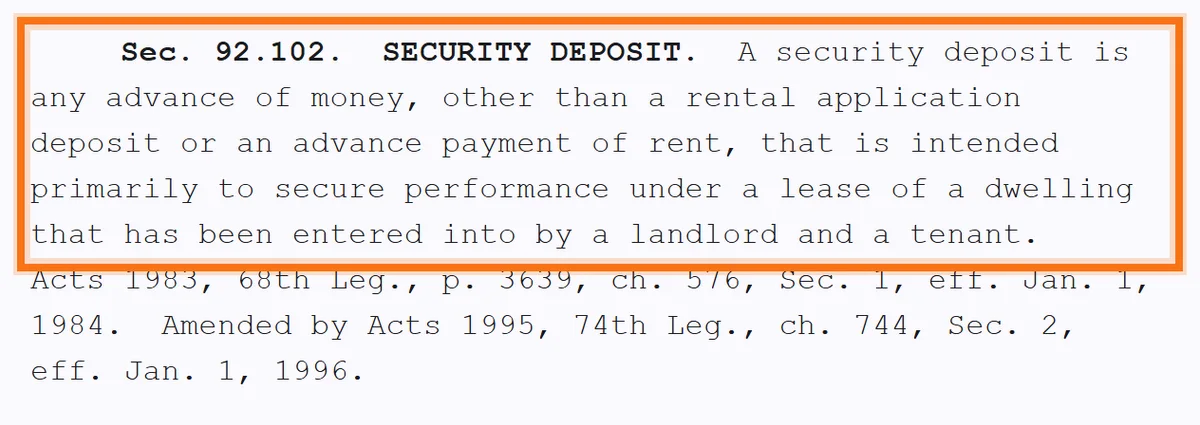
As a security deposit, it is refunded within 30 days after the tenant surrenders the house (92.103(a)); deductions are limited to damages and charges the tenant is legally liable for, never normal wear and tear, with a written itemized list (92.104). The tenant may not withhold the last month's rent on the grounds that the deposit covers it (92.108(a)). The deposit sections we read (92.101 to 92.110) set no maximum amount.
Here is the money for one approved pet over a 12-month lease, using our published criteria figures, illustrative only, not a quote:
| Item | One pet, 12-month lease | Two pets, pet rent only |
|---|---|---|
| Monthly pet rent | $25 x 12 = $300 | $25 x 2 x 12 = $600 |
| One-time non-refundable fee at move-in | $350 | As the lease states it |
| First-year total | $300 + $350 = $650 | $600 plus the fee |
| Refundable pet deposit (if you add one) | Held, then refunded or itemized; not income | Same |
How to read this table: the first three rows are money the lease charges; the deposit row is money you hold and may have to return, so never count it as income. Who keeps the pet fee and pet rent when a manager is involved is a separate question; see who keeps late fees and pet fees. This is general information, not legal advice.
When no is the right answer, and how to say it
No is the right answer when the HOA forbids pets, when your insurer will not cover animal liability on terms you can live with, when the house cannot contain an animal safely, or when you are renting it furnished with items you cannot replace. In those cases, say no clearly in the listing, so pet owners do not pay an application fee for a house they cannot rent.
Two things to plan for in a no-pets house. First, an unapproved pet can still appear, so the lease needs a clause on unauthorized animals and the house still needs inspections. Second, revisit the decision at the next vacancy: if the listing draws few inquiries, a limited yes is a lever you can pull without cutting the rent. Our guide to what vacancy really costs helps you put a number on that choice.
How to tell whether the pet policy is working
Because no statistic tells you what a pet policy will do for your house, track it on your own listing over the first two weeks and again at move-out:
- Inquiries: how many came in, and how many mentioned a pet.
- Applications: how many applicants had a pet, and whether the approved one did.
- Days on the market: compare with the house's last vacancy, if you have one.
- Move-out: what the inspection found against the move-in photos, and what the deposit covered.
After one lease you have your own numbers instead of a guess. If the pet lease cost you more in damage than it earned in pet rent and a shorter vacancy, tighten the limits; if it filled the house faster with no unusual wear, keep the policy for the next listing.
How Perpetual handles this
Perpetual Property Management is broker-owned and manages rentals in Fort Worth, Keller and North Richland Hills from our office in North Richland Hills. What our published pages say about pets:
- Your decision: our rental criteria say pets are permitted at the owner's discretion. If you allow them, there is a one-time non-refundable fee of $350 at move-in, plus $25 monthly pet rent per pet.
- Disclosure: pets in the household must be included on the application and lease.
- Screening: pets are screened separately through our PetScreening process, handled online before move-in, and pet-friendly homes are marked in the listing.
- Lease: Texas-compliant lease documents with the addenda the property needs, including pets.
- During the lease: inspections catch lease violations early, including unauthorized pets.
Whether you also want a refundable pet deposit, and who keeps the pet fee and pet rent, is confirmed in writing before you sign. See our rental criteria, or call 682-593-7033.
The takeaway: Say yes to pets with written limits that match your house, your HOA and your insurance; treat a refundable pet deposit as a security deposit; and measure the result on your own listing.
Questions owners ask
Can I charge pet rent and a pet deposit in Texas?
Yes. Pet rent and a one-time pet fee are charges the lease sets. A refundable pet deposit is money held to secure the tenant's performance, which fits the security deposit definition in Property Code 92.102, so it is refunded or itemized within 30 days after the tenant surrenders the house (92.103, 92.104). The deposit sections we read set no maximum amount.
Does allowing pets increase damage to a rental?
It can raise the chance of wear beyond normal, mostly to floors, doors, trim and the yard. That is why limits, a pet screening step and dated move-in photos matter. Under 92.104, you may deduct damage the tenant is liable for from the deposit, but never normal wear and tear, and you must give a written itemized list.
Should I limit the number or size of pets in my rental?
A limit of two pets, with a weight limit where the house or the HOA calls for one, is a common starting point. Make the limit match your landlord insurance policy, especially any breed exclusions, and publish it in the listing so every applicant sees the same rule.
Can I say no pets and still get a good tenant?
Yes, but the applicant pool is smaller, so it can take longer to lease. If the HOA, your insurer or the house rules pets out, say so clearly in the listing. Keep a lease clause on unauthorized animals and keep inspecting, because an unapproved pet can still appear.
What does "pets permitted" mean on a rental listing?
It means the owner will consider pets under the lease's pet terms, not that any animal is automatically allowed. Expect limits on number, size or type, a pet screening step, and charges such as pet rent or a pet fee set out in a pet addendum. Ask for the written pet policy before you apply.
How do pet deposits, pet fees and monthly pet rent differ?
Pet rent is a monthly charge per pet. A pet fee is a one-time charge the lease describes as non-refundable. A pet deposit is held against damage and refunded or itemized at move-out like any security deposit. Under our published criteria, an approved pet carries a one-time non-refundable fee of $350 at move-in plus $25 a month per pet.
Related services
Property management in Keller, North Richland Hills and Fort Worth. How full-service management works in Tarrant County →