Key takeaways
- Your management agreement decides how it ends on a sale: the notice, the effective date and any fee. Read it before you list.
- Time the termination to the closing date. With a tenant in place, keep management running until the buyer takes over.
- Under Property Code 92.105, the buyer becomes liable for the tenant's deposit from the date title is acquired and must give the tenant a signed statement with the exact amount.
- The seller stays liable for the deposit until the buyer has received it or assumed it, unless a written contract says otherwise.
- A sales commission can only be collected in court on a written, signed agreement (Occupations Code 1101.806), so listing is its own decision and its own document.
Can you cancel property management when you sell your rental? Yes, on the terms in your management agreement. For an owner in Fort Worth, Keller or North Richland Hills, the clean way is to read the termination and sale clauses before listing, give written notice with an effective date tied to closing, keep the manager collecting rent until then if a tenant lives there, and have the deposit and records move to the buyer at closing.
This guide covers how to terminate a property management agreement in step with a sale, what it should cost, the Texas rules at closing, the timing for vacant and occupied homes, and the questions to settle before you sign. Selling with a tenant in place is covered in selling a rental with a tenant in place.
How to terminate a property management agreement when you sell
Here are the steps in the order a sale runs, what happens to management at each one and the rule or document that governs it:
| Stage of the sale | Management step | What governs it |
|---|---|---|
| You decide to sell | Read the termination and sale clauses; note the notice period and any fee | Your management agreement |
| You choose who lists it | Sign a listing agreement with the agent you pick, or sell without one | A separate written agreement (Occupations Code 1101.806(c)) |
| The house goes under contract | Give written notice with an effective date tied to closing | The agreement's notice clause |
| Before closing | Reconcile rent, the deposit, open invoices and any reserve | The final statement and the trust accounting |
| At closing | The deposit goes to the buyer, who gives the tenant a signed statement of the amount | Property Code 92.105 |
| After closing | Lease, records and keys go to the buyer or the buyer's manager; you get a final statement | The agreement and the closing documents |
How to read this table: the only step you cannot change after signing is the first one, because the notice period and any fee were set when you hired the manager. Everything else is sequencing, and the closing date is the anchor.
Find the sale clause in your management agreement
Many management agreements run for a set term that can renew automatically, with a termination section that says how either side ends it early. The language that applies when you sell usually sits in that section, sometimes elsewhere. It tends to take one of three forms:
- The sale ends the agreement on notice. You notify the manager that the house is under contract or has closed, management ends on closing or after a short notice period, and the manager is paid what was earned to date.
- The sale counts as an early termination. The agreement does not mention sales, so the general termination terms, and any fee in them, apply.
- The sale triggers a brokerage claim. The agreement gives the manager's brokerage the listing, or a fee if the house sells during the term or for a period after, whoever sells it.
Search the agreement for sale, sold, transfer of title, listing, commission and termination. If any of those words appear outside a clause that simply ends the agreement, read that clause twice, and have a Texas attorney read it if a large fee is at stake.
What ending management on a sale should cost
Ending management because you sold should cost what the manager has already earned and nothing more:
- The management fee through the end date, prorated if your agreement says so.
- Repair invoices already incurred and not yet paid from your funds.
- Fees the schedule already triggered, such as a leasing fee for a tenant placed before you decided to sell.
What you should not expect to pay is a charge for management fees the manager hoped to earn over the rest of the term, or a "clawback" of a leasing fee for a tenant who stays under a lease the buyer takes over. Some agreements contain those; if you signed one, it is part of your contract, which is why the time to object is before signing. Does it cost anything to cancel property management walks through each charge, and what to look for in a management agreement covers the termination section in general.
Ending management is not the same as choosing a listing agent
Ending management and listing the house are two different contracts. Texas law treats them differently, too. Occupations Code 1101.806(c) says a person may not sue to recover a commission on the sale of real estate unless the promise or a memorandum of it is in writing and signed by the person being charged. And under 1101.652(b)(12), a license holder can be disciplined for failing to specify a definite termination date, not subject to prior notice, in a contract for licensed services, other than a contract to perform property management services.
So a management agreement may run without a fixed end date, but a listing agreement needs one, and a commission needs a signed writing. If your management agreement grants the manager's brokerage the listing, or a fee on any sale, that clause is the place to object before signing. Does hiring a property manager mean you have to use them to sell the house? covers how to remove or narrow it. A manager who knows the house and the tenant may still be the right listing agent; the point is that you choose at the time you sell. This is general information, not legal advice.
The tenant, the deposit and Texas Property Code 92.105
Canceling management does not cancel the tenant's lease, and a sale does not by itself end it either. Texas Property Code 92.105 is written for exactly this moment: when the owner's interest ends by sale, the tenant's deposit follows the house.
- The buyer becomes liable for returning the security deposit from the date title is acquired (92.105(a)).
- The buyer must give the tenant a signed statement acknowledging the purchase and responsibility for the deposit, with the exact dollar amount (92.105(b)).
- You stay liable for a deposit received while you owned the house until the buyer has received it or assumed liability for it, unless the parties agree otherwise in a written contract (92.105(b-1)).
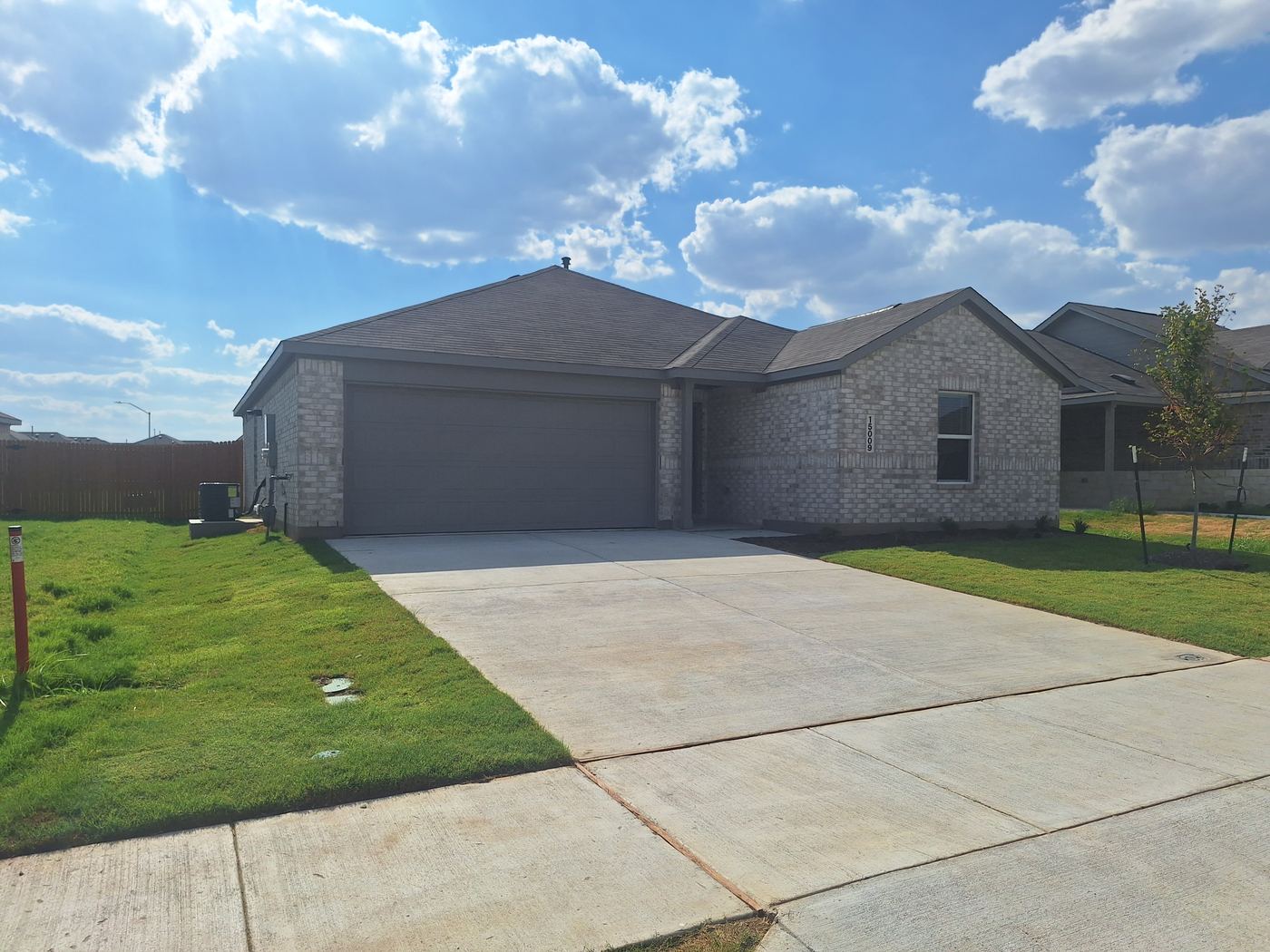
Hand over the lease, the deposit amount, the move-in condition report and the tenant's payment history as one package. Under 92.201, a landlord must disclose the name and address of the record title holder to a tenant who asks, and keep it correct, so the tenant should hear about the new owner promptly. Check the lease for any clause about a sale, and let the title company or an attorney confirm how the deposit moves at your closing. This is general information, not legal advice.
Timing the termination: vacant, tenant in place, or tenant buying
The clean sequence depends on who is in the house:
Vacant house. Give notice as soon as you decide to sell, and ask the manager to stop marketing it for rent. If you still want vacant checks, utilities and lawn care handled until closing, agree that separately and in writing.
Tenant in place, selling to an investor. Keep management running through closing so rent is collected and the tenant has one point of contact. Set the termination effective on the closing date, with the deposit and records going to the buyer. The buyer may even keep the same manager, which is the smoothest outcome for the tenant.
Tenant in place, selling to someone who will live there. The lease decides when the tenant leaves. Time the closing to the lease end, or agree an earlier move-out with the tenant in writing; management continues until the tenant is out.
The tenant wants to buy. Often the simplest sale of all, handled correctly; see when your tenant asks to buy the house.
A worked example: two owners, the same sale
Illustrative only, not a quote. Both owners rent a house for $2,000 a month, pay a management fee of 8% of collected rent and sell to an investor with the tenant staying. Closing is on the 15th of a 30-day month, and the tenant paid the full month's rent on the 1st.
Owner A's agreement ends on a sale with written notice, and prorates the final month. The month's fee is $2,000 x 8% = $160; prorated to closing, $160 x 15 / 30 = $80. The deposit and records go to the buyer at closing. Her cost to end management: $80, and she chose her own listing agent.
Owner B's agreement treats any sale as an early termination with a fee of two months' management fees, 2 x $160 = $320, on top of the $160 for the final month, and gives the manager's brokerage a commission on any sale during the term. He lists with someone else. He now faces $480 in management charges and a commission claim in the middle of a closing.
The difference between them was ten minutes with the termination section before signing.
The questions to settle before you sign, not before you sell
- If I sell, how does the agreement end, and on what date?
- Is there any fee for ending it because of a sale?
- Am I free to sell through any agent, or none, with no fee owed to you?
- If I ask your brokerage to list it, is that a separate agreement I sign then?
- What do you hand over at closing, and in what form?
- Will you keep collecting rent or checking a vacant house until closing if I ask?
Get the answers in the agreement itself, not only in an email, because the agreement is what will be read if there is a dispute. If a large commission or termination fee is at stake, have a Texas attorney read the clause.
How Perpetual handles this
Perpetual Property Management is broker-owned, with our office at 5755 Rufe Snow Dr in North Richland Hills, and our affiliated brokerage, Perpetual Realty Group, LLC, helps owners buy and sell across Dallas-Fort Worth. What our site states that matters when you sell:
- One team, if you want it. Managed owners get one team across buying, leasing, managing and eventually selling. Our selling investment property page covers tenant rights, lease timing, showings and deposits in a rental sale.
- Occupied or vacant. We show you the math for selling with the tenant in place and for selling vacant, not a one-size answer.
- Written fees only. Every fee you pay is listed in your written agreement; if a fee is not in the agreement, you do not pay it. Our pricing page lists "What does it cost to leave if you're unhappy?" among the questions we answer in writing before you sign.
- Guarantees run with the agreement. Our written guarantees apply to properties under an active management agreement, subject to the Guarantee Addendum.
How our agreement ends when you sell, the notice it requires, any charge at termination and whether listing with Perpetual Realty Group changes any of that are confirmed in writing before you sign. If you are thinking about selling, contact us or call 682-593-7033 and we will lay out the sequence for your house.
The takeaway: End management on the terms you signed, timed to the closing date, with the deposit and records moving to the buyer; the choice of who lists the house is yours, in a separate written agreement.
Questions owners ask
What do I owe the manager if the agreement ends at closing?
What your agreement says, and under a fair one that means only what was earned through the end date: the management fee for the final period, prorated if the agreement provides for it, repair invoices already incurred, and any fee the schedule already triggered, such as a leasing fee for a tenant placed earlier. Some agreements treat a sale as an early termination and add a fee, so read the termination section before you sign.
Does hiring a property manager mean I have to use them to sell the house?
Not unless your agreement says so, and you can ask to remove that language before signing. Occupations Code 1101.806(c) says a commission on a sale can only be recovered in court on a written agreement signed by the person charged, so listing is its own decision and its own document. If you later choose the manager's brokerage, that is a separate listing agreement signed at the time.
What happens to the tenant's lease when I sell the rental?
A sale does not by itself end the lease, and Property Code 92.105 is written for a tenant who stays: the buyer becomes liable for the tenant's security deposit from the date title is acquired and must give the tenant a signed statement with the exact amount. You remain liable until the buyer receives or assumes the deposit, unless a written contract says otherwise. If the buyer wants to live there, time the sale to the lease end or agree a move-out in writing.
Should I keep the property manager until closing?
Usually yes, if a tenant is in place, so rent is collected and the tenant has one contact through the sale. Set the termination effective on the closing date and have the deposit and records go to the buyer or the buyer's manager. For a vacant house you may still want vacant checks and utilities handled until closing under a short written arrangement.
Can the manager charge me the leasing fee back if I sell soon after a tenant is placed?
Only if the agreement says so, which is a clause to object to before signing. The leasing fee was paid for placing a tenant, and that tenant and the lease stay with the house when the buyer takes over. A charge framed as an unearned share of the leasing fee on a sale works as a penalty for selling.
How do I terminate a property management agreement when I sell my rental?
Read the termination and sale clauses first, so you know the notice period, the effective date and any fee. Once the house is under contract, give written notice with an end date tied to closing. Keep management running until closing if a tenant lives there, reconcile the funds, and have the deposit, lease and records go to the buyer at closing.
Who tells the tenant that the house has been sold?
Both sides have a part. Property Code 92.105(b) requires the buyer to give the tenant a signed statement acknowledging the purchase and responsibility for the deposit, with its exact amount. Under 92.201, the tenant is entitled to the record owner's name and address on request. In practice the manager and the buyer coordinate one clear letter. This is general information, not legal advice.
Related services
Property management in Keller, North Richland Hills and Fort Worth. How full-service management works in Tarrant County →